I. The Challenges of Agricultural Microbial Liquid Products
Agricultural microbial liquid products are currently experiencing rapid expansion. Compared to solid microbial agents, liquid microbial agents have abundant metabolic products, are convenient to use, have high absorption and utilization rates, and can be flexibly combined with various technologies such as irrigation systems and seed coating. However, the liquid environment itself is a complex and dynamic system. Microorganisms are highly susceptible to external environmental factors during storage and transportation, resulting in a decrease in viable bacterial numbers, inactivation of metabolic products, or contamination by harmful bacteria.
The core issue lies in "surviving until they reach the field". An industry observer pointed out that the biggest obstacle in the biological agent industry has never been the discovery of effective microorganisms, but rather getting them to survive and reach the fields. Liquid microbial preparations must maintain stable viable bacteria throughout the entire production, storage, distribution, and field application processes, which is completely different from the logic of traditional chemical pesticides.
What does this mean? For growers, what they use today may not be the same as what they used three months ago. For distributors, if inventory turnover is slightly slower, the products may become "waste". For manufacturers, a short shelf life directly limits the market reach and channel capabilities.
II. Functions and Effects of Agricultural Microbial Protective Agents
The core task of the protective agents is to create a microenvironment around the microorganisms that can maintain their activity during storage and transportation. From the perspective of the mechanism of action, they mainly exert their effects at three levels.
Physical barrier. Natural high-molecular polymers such as xanthan gum, alginate, gelatin, and synthetic polymers such as polyvinylpyrrolidone (PVP) and polyethylene glycol can form protective microenvironments around the microorganisms, limiting heat conduction, maintaining water activity, and helping bacteria resist extreme osmotic pressure. These protective polymers can promote the survival of bacterial cells under various storage conditions.
Penetration protection. Trehalose is the "star component" of the protective agents. It can stabilize enzymes and cell membranes and functions as a compatible osmotic regulatory substance. Glycerol has high water-holding capacity and can reduce water activity and slow down the metabolic consumption of the microorganisms. Glucose can promote the production of extracellular polysaccharides and protect the cells during the rapid drying process experienced during inoculation.
Metabolic regulation and nutrient maintenance. Skimmed milk powder provides protein and lactose, forming a protective film on the surface of the microorganisms. The phosphate buffer system helps maintain pH stability. The combined action of these components is to slow down the endogenous respiratory consumption of the microorganisms during storage and extend the period of active maintenance.
The use of protective agents is crucial for maintaining the vitality of bacteria during drying and storage. The mechanisms include minimizing membrane damage, protein denaturation, and oxidative stress.
III. The actual effectiveness of agricultural microbial protectants
The Anqi Microbial Nutrition Research Institute is dedicated to the research of various microorganisms' nutrition. In response to the pain points of biological agricultural microbial liquid products, it has developed the microbial protectant product MP001. This product significantly increases the survival rate of lactic acid bacteria, rhizobia, and other agricultural microbial liquid products.
Example 1: Prepare 100g of the protectant powder, take 20g and add it to 100ml of distilled water. Sterilize at 121℃ for 15 minutes. Add 5% plant lactobacillus to the MRS medium and incubate in an incubator at 37℃ for 20 hours. Take 1mL of the fermentation liquid and dilute it at a 10-fold gradient to 10-7. Take 1ml of this gradient dilution and add it to a petri dish. Pour in the MRS liquid medium and cool and solidify. Place it in a 37℃ incubator for 24 hours of cultivation. After taking it out, read the number. The viable cell count is 53 billion cfu/ml. Add 30% of the liquid protectant to a 26℃ incubator. At the same time, place a blank fermentation liquid. Take 1mL of the fermentation liquid every week and dilute it at a 10-fold gradient to 10-7. Take 1ml of this gradient dilution and add it to a petri dish. Pour in the MRS liquid medium and cool it. Place it in a 37℃ incubator for 24 hours of cultivation. After taking it out, read the number. After one month, using the above method to test the blank fermentation liquid, the viable cell count is 2*102 cfu/ml. The viable cell count of the fermentation liquid with the protectant added is about 22 billion cfu/ml, with a survival rate increase of 41%.
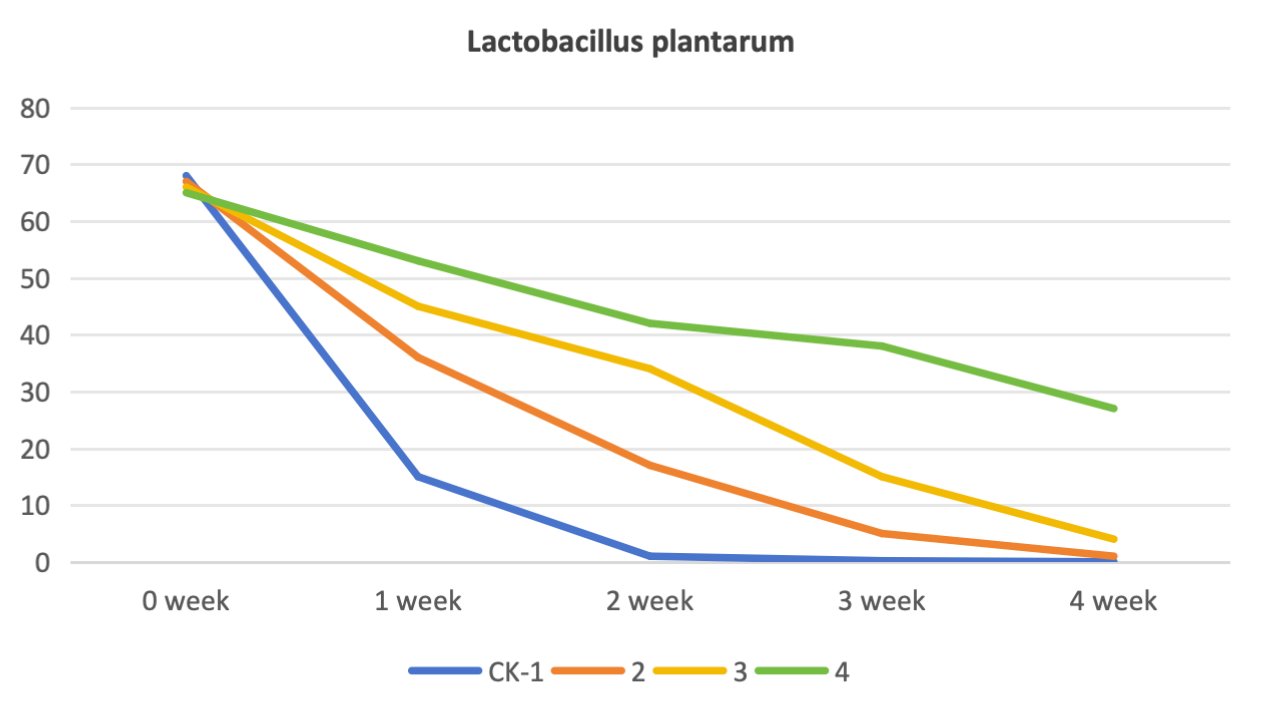
Figure 1 Storage period of lactic acid bacteria fermentation liquid product
Example 2: Prepare 100g of the protective agent powder. Take 20g and add it to 100ml of distilled water. Sterilize at 121℃ for 15 minutes. Add 5% rhizobia to the rhizobia culture medium and cultivate in a 37℃, 200rpm shaking incubator for 3 days. Take 1 mL of the fermentation broth and dilute it at a 10-fold gradient to 10^-7. Take 100ul of the diluted solution and spread it onto TSA agar medium. Place it in a 37℃ constant temperature box for 48 hours of cultivation. After removal, read the results. The viable cell count is 6.6 billion cfu/ml. Add 30% of the liquid protective agent to a 26℃ constant temperature box. Place a blank fermentation broth as well. Take 1 mL of the fermentation broth every week and dilute it at a 10-fold gradient. Take 100ul of the diluted solution and spread it onto TSA plate. Place it in a 37℃ constant temperature box for 48 hours of cultivation. After removal, read the results. After three months, using the above method to test the blank fermentation broth, the viable cell count is 1 billion cfu/ml. The viable cell count of the fermentation broth with the protective agent added is approximately 3.6 billion cfu/ml, with a survival rate increase of 39%.
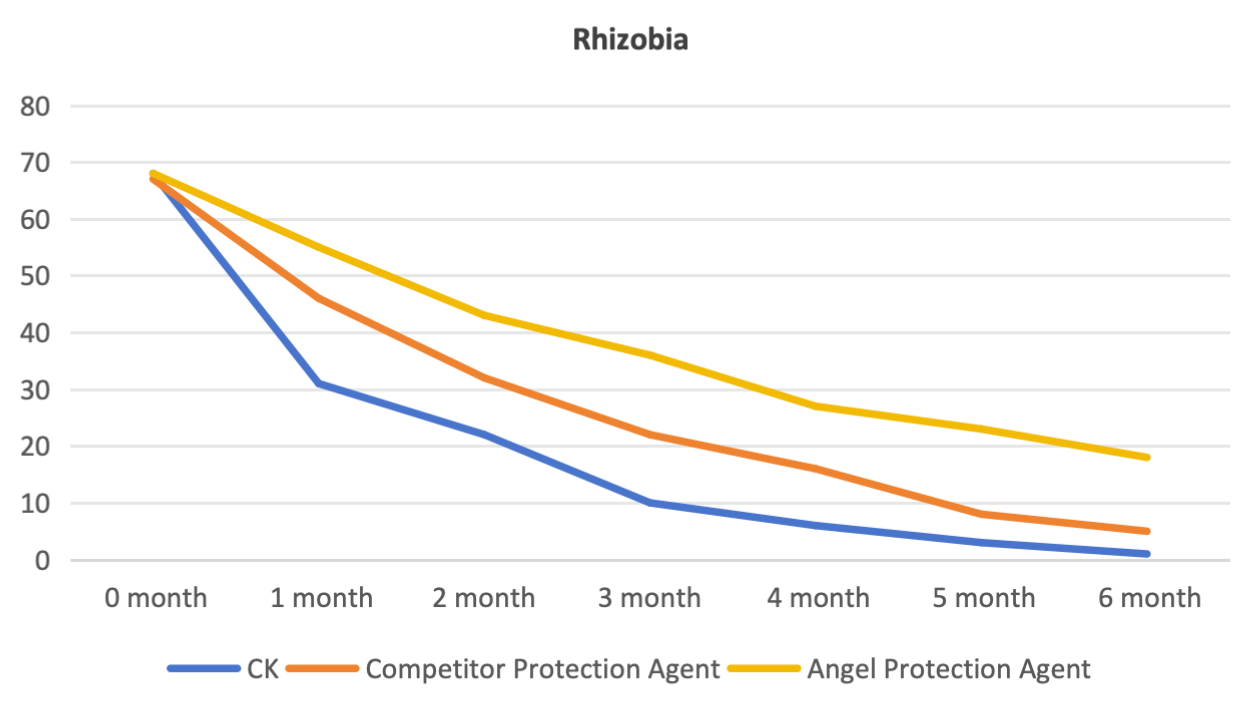
Figure 2 Storage Period of Rhizobium Fermentation Liquid Product
About Angel Fermentation Nutrients:
Angel Fermentation Nutrients, rich in protein, amino acids, peptides, nucleotides, B vitamins, and trace elements. With the advantages of having no allergic source and being non-transgenic, high efficiency, and stable quality, Angel YE are widely applied in biological laboratories and industrial-scale fermentation, promoting product safety and technical progress in the global fermentation industry.
About Angel:
Angel Yeast Company is a high-tech listed company specializing in yeast and biotech. Product business covers Yeast and Baking, Yeast Extract-Savoury, Nutrition & Health and Biotechnology fields. It is one of the world's leading companies in the yeast industry. Angel has 12 holding subsidiaries and provides products and services for more than 160 countries and regions.
Press contact:
email: yef@angelyeast.com