-
Home > News & Events > Blog > Human Health
Selenium is an essential trace mineral that plays a non‑replaceable role in the human body. It is a key component of multiple selenoenzymes and selenoproteins, underpinning antioxidant defense, immune regulation, and thyroid hormone metabolism. Yet, inadequate selenium intake is a global concern. In China, for example, an estimated 70% of the territory is selenium‑deficient, and national nutrition surveys show that average adult daily selenium intake hovers around 47 µg—far below the recommended 200 µg/day. This gap between intake and requirement has driven both the scientific community and the food industry to seek efficient, safe supplementation strategies. Among the validated options, selenium‑enriched yeast stands out as one of the most thoroughly researched and widely trusted.
1. Foundational Science: Why Selenium‑Enriched Yeast Is Superior
Not all forms of selenium are created equal in terms of human bioavailability. Inorganic selenium sources such as sodium selenite and sodium selenate have a long history of use, but they suffer from relatively low absorption rates and higher toxicity. Selenium‑enriched yeast, by contrast, is produced through a controlled fermentation process in which active yeast cells assimilate inorganic selenium and convert it into organic forms—predominantly selenomethionine (SeMet), which accounts for 60–85% of total selenium in the yeast. Because SeMet is structurally analogous to methionine, the human body recognizes and absorbs it efficiently via amino acid transport pathways, making it an ideal selenium reservoir.
A landmark pharmacokinetic study published in Biological Trace Element Research (2019) directly compared the bioavailability of selenium‑enriched yeast and sodium selenite in rats, using a single oral gavage of 100 µg Se/kg. The results were striking: based on total selenium, the relative bioavailability of selenium‑enriched yeast was 144% that of selenite; based on total selenomethionine, it was 272%. When baseline‑corrected for endogenous selenium, these figures jumped to 257% and 3966%, respectively. More importantly, 75.9–82.3% of plasma selenium from the yeast group was incorporated into bioactive selenoproteins, whereas selenite was barely converted to selenomethionine. These findings underscore that chemical form dictates metabolic fate and functional outcomes—and that measuring total selenium alone is insufficient for evaluating nutritional status.
Beyond its classical antioxidant roles, emerging research has revealed intriguing links between selenium and central nervous system amino acid metabolism. D‑serine and L‑serine are essential for neurotransmission and protein synthesis, and their interconversion modulates learning and memory. A 2021 study in the Chinese Journal of Animal Nutrition investigated the effects of long‑term selenium deficiency and subsequent selenium‑enriched yeast repletion on serine levels in rats. After 420 days of deficiency, plasma L‑serine rose significantly. Following 112 days of repletion with dietary selenium at 0.18, 0.36, or 0.72 mg/kg, L‑serine returned to normal. Interestingly, the highest repletion dose also increased both L‑serine and D‑serine in the hippocampus. Given that D‑serine is considered a potential biomarker for neurodegenerative diseases like Alzheimer's, this suggests that selenium may play an underappreciated role in brain health through serine modulation—a finding with profound implications for aging populations.
2. From Research to Products: Diverse Applications in Sports Nutrition
Solid science lays the groundwork for product innovation. In the sports nutrition segment, selenium‑enriched yeast has been incorporated into a wide variety of formats, addressing pre‑workout, intra‑workout, and post‑workout needs.
Ⅰ. Protein Bars – Portable, ready‑to‑eat, often combined with vitamins A, C, E, B‑complex, and trace minerals like zinc, copper, manganese, and chromium. Formulated to support energy metabolism, antioxidant protection, and post‑exercise recovery. A single bar delivers balanced nutrition between training sessions—no mixing or refrigeration required.
Ⅱ. Capsules & Tablets – The classic, precise dosing format, ideal for athletes who prefer standardized intake. Common strengths range from 100 to 200 µg selenium per serving, frequently paired with vitamin E (synergistic antioxidant) or zinc (testosterone support).
Ⅲ. Powders – Highly versatile, mixable into protein shakes, juices, or water. Often combined with branched‑chain amino acids (BCAAs) and carbohydrates, formulated for rapid post‑workout replenishment.
Ⅳ. Ready‑to‑Drink (RTD) Beverages – Convenient, grab‑and‑go options for active urban consumers, especially suitable for immediate recovery after competitions or intense sessions.
Ⅴ. Gels & Jellies – Emerging as light, refreshing textures that provide quick energy mid‑exercise, while also delivering selenium's antioxidant shield.
Ⅵ. Meal Replacement Shakes – Combining weight management with comprehensive nutrition; some variants include dietary fiber and prebiotics for holistic support.
Functional claims across these products consistently center on: antioxidant activity (scavenging exercise‑induced free radicals), immune support (critical during the temporary immunosuppression following heavy training), energy metabolism (synergy with B vitamins), and hormonal balance (zinc + selenium). Some formulations also incorporate botanical ingredients like taurine, maca, or ginseng for enhanced performance.
Geographically, such products have reached markets in France, Japan, the UK, the US, Switzerland, Germany, Australia, and India—reflecting the globalization of sports nutrition and the cross‑cultural acceptance of selenium‑enriched yeast as a premium ingredient.
3. Healthy Aging: Reserving Vitality for Later Years
If sports nutrition aims for "stronger," senior nutrition aims for "longer." As global populations age, maintaining cognitive function, immune resilience, and overall quality of life becomes a critical priority.
In the healthy aging segment, product formats are more concentrated but equally effective:
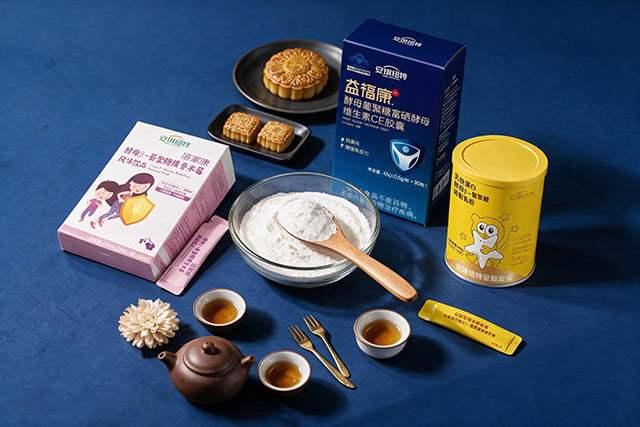
Ⅰ. Fortified Milk Powders for Middle‑Aged and Elderly – Particularly popular in Asia, especially China. These typically combine selenium‑enriched yeast with calcium, vitamin D, and prebiotics (e.g., fructo‑oligosaccharides), emphasizing bone health, immune support, and gut wellness. Packaged in metal tins and consumed as a daily morning beverage, they integrate seamlessly into habitual routines.
Ⅱ. Multivitamin/Multimineral Supplements (Capsules/Tablets) – Some are specifically formulated for adults over 50, pairing selenium with vitamins E, C, and zinc to combat age‑related oxidative stress. Increasingly, manufacturers are exploring the addition of lutein, coenzyme Q10, and other actives to support cardiovascular and visual health.
Ⅲ. Functional positioning is clear: immune support (delaying immunosenescence), antioxidant defense (countering chronic inflammation), and cognitive maintenance (based on the neuroprotective potential mentioned earlier). While the current market is strongest in Asia, interest in "healthy aging" supplements is growing rapidly in Europe and North America, and selenium‑enriched yeast—with its natural, safe, and efficacious profile—is well‑positioned to become a star ingredient in this category.
4. Clean Label and Consumer Trust: Transparency as the Future
Whether in sports or senior nutrition, consumers increasingly demand ingredient naturalness and transparency. Labels such as gluten‑free, lactose‑free, non‑GMO, vegan‑friendly, and no artificial colors or preservatives heavily influence purchasing decisions. Selenium‑enriched yeast, being fermentation‑derived and "food‑based" rather than chemically synthesized, aligns perfectly with this clean‑label trend. Many manufacturers now proactively publish third‑party test reports and even pharmacokinetic data to enhance professional credibility and build consumer confidence.
Conclusion
From rat pharmacokinetics to serine metabolism mechanisms, and from protein bars to fortified milk powders and RTD beverages, selenium‑enriched yeast has traversed a robust path of "science‑validation → market‑translation." It offers athletes an efficient, safe trace‑element solution, while providing aging populations with a new ally for maintaining vitality and delaying functional decline. In an era of increasingly personalized nutrition, selenium‑enriched yeast stands out for its high bioavailability, well‑defined metabolic pathways, and versatile application forms—serving as a bridge between fundamental research and public health. For anyone who cares about their own wellbeing, understanding selenium and choosing the right source may be a simple yet powerful step toward a better quality of life.
References
[1] Innova Market Insights. Innova Food & Beverage New Products Database.
[2] Zhang S Q, Shen S, Zhang Y. Comparison of Bioavailability, Pharmacokinetics, and Biotransformation of Selenium‑Enriched Yeast and Sodium Selenite in Rats Using Plasma Selenium and Selenomethionine. Biological Trace Element Research, 2019.
[3] Yu H L, Zhang Y, Zhang F W, et al. Effects of Selenium‑Enriched Yeast on D‑Serine and L‑Serine Levels in Long‑Term Selenium‑Deficient and Normal Rats. Chinese Journal of Animal Nutrition, 2021, 33(6): 3515‑3522.
[4] Wang J Z, Zou K, Xiao L L, et al. Study on Anticancer Activity of Selenium Yeast. Lishizhen Medicine and Materia Medica Research, 2006, 17(11).
| Published by Yan Jun Engineer of Nutrition and Health Division |

About Angel Human Health:
Specialized in yeast and fermentation, AHH is committed to developing innovative, differentiated, science-based functional ingredients and customized solutions, to help our customers get enduring success, as well as contribute to a healthier and sustainable world together.
About Angel:
Angel Yeast Company is a high-tech listed company specializing in yeast and biotech. Product business covers Yeast and Baking, Yeast Extract-Savoury, Nutrition & Health and Biotechnology fields. It is one of the world's leading companies in the yeast industry. Angel has 12 holding subsidiaries and provides products and services for more than 170 countries and regions.
Press Contact:
ANGEL YEAST CO., LTD
Address: 168 Chengdong Avenue, Yichang, Hubei 443003, P. R.China
Tel: +86 717 6369570
Email: Nutritech@angelyeast.com