For the past several decades, animal‑derived organic nitrogen sources (tryptone, beef extract, heart infusion powder, etc.) have been the "gold standard" for cell and microbial culture. However, as quality requirements in biopharmaceuticals, cell therapy, and microbiological testing continue to rise, three major fatal drawbacks of animal‑origin raw materials have become increasingly prominent:
Safety risks: They may carry BSE/TSE agents, viruses, antibiotic residues, which can cause false positives or product incidents when used in drug testing. USP and EP have explicitly recommended animal‑origin‑free media.
Batch‑to‑batch variability: Individual differences in animals lead to batch‑to‑batch RSD as high as >30%, which seriously conflicts with the precise control demands of modern processes.
Ethics and supply: Animal protection and vegetarian certifications reject animal components; fluctuations in animal husbandry make the supply chain fragile.
1. Raw Material Replacement Solution
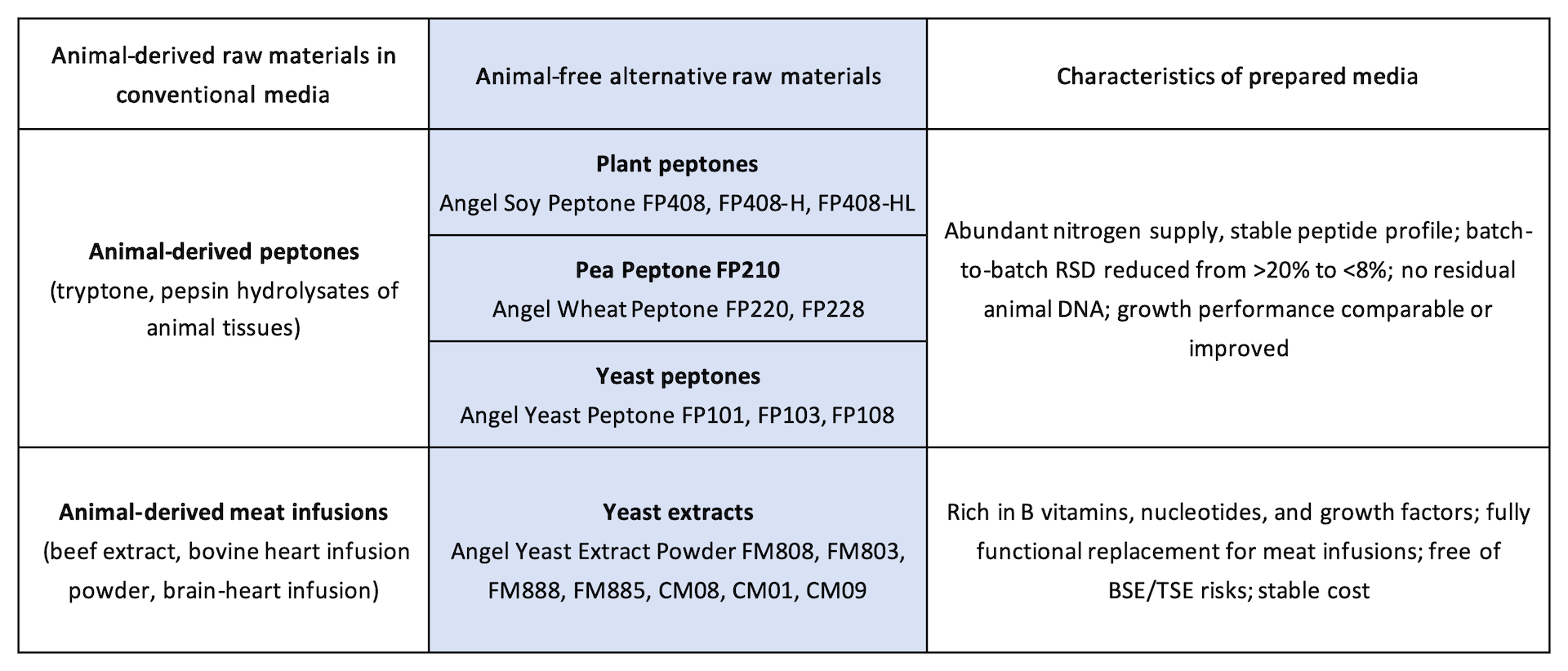
2. Design and Development of Animal‑Origin‑Free Media
2.1 Formulation Design
The preference for different organic nitrogen sources varies significantly among microorganisms:
· Escherichia coli: Prefers yeast extract + yeast peptone, supplemented with trace elements.
· Staphylococcus aureus: Prefers soybean peptone + yeast extract.
· Lactic acid bacteria: Wheat peptone + yeast extract, requiring additional specific amino acids and vitamins.
· Fastidious bacteria (e.g., Haemophilus, Neisseria gonorrhoeae): Require additional chemically synthesized hemin and coenzyme (NAD).
High‑throughput screening (HTS) using 96‑well plates combined with Design of Experiments (DoE) is used to rapidly determine the optimal ratio.
2.2 Process Scale‑Up
From shake flask to fermenter (1L → 100L), monitor OD600, viable cell count, pH, and metabolites. Three consecutive batches with CV <10% indicate success.
2.3 Quality Control System
Raw material QC: For each batch, test total nitrogen, free amino acids, endotoxin (<10 EU/g), heavy metals, moisture, ash content; perform PCR detection of animal DNA residues to ensure no bovine, porcine, or other animal‑origin contamination.
Finished product testing: Test sterility, endotoxin, and reference strain growth promotion.
3. Custom-developed Animal-Free Culture Media by Angel for Biopharmaceuticals
Angel operates multiple production lines for yeast extract and plant peptone. The Angel Microbiology Research Institute has more than 20 years of experience in microbial fermentation and has developed over 50 customized products for domestic and international clients. In response to demand for animal-free media, several formulations have been successfully developed.
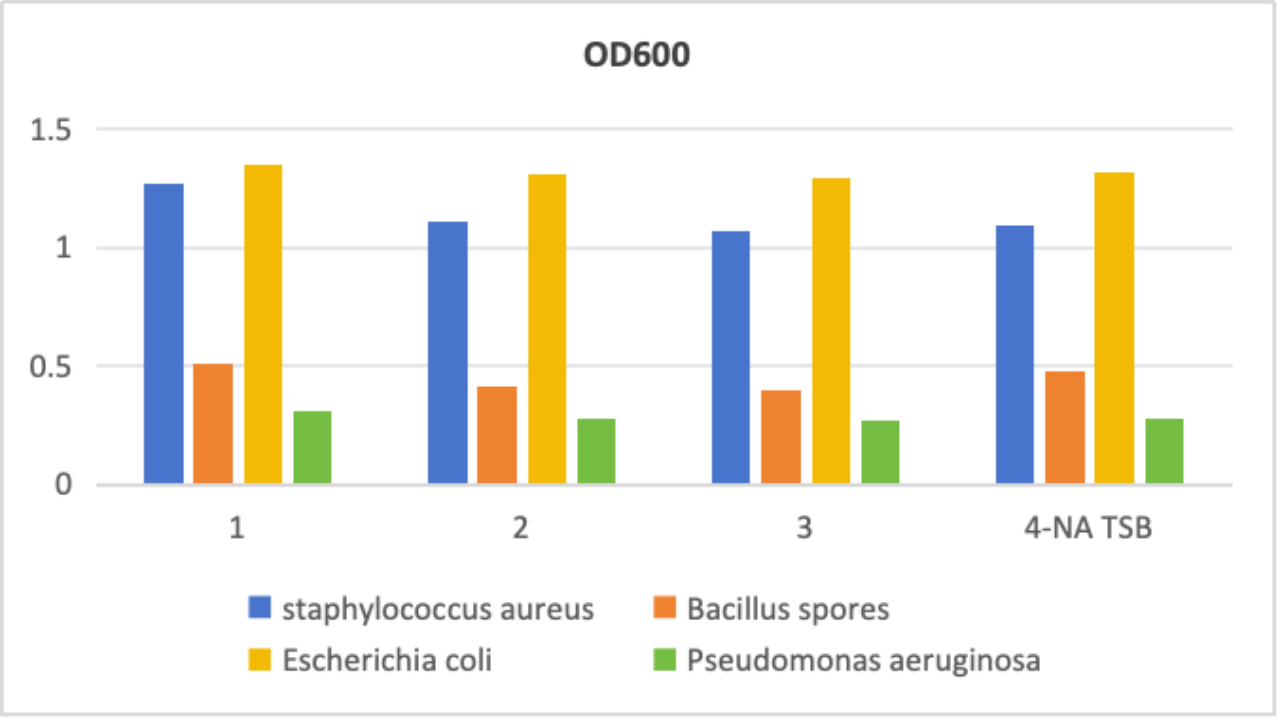
3.1 Microbial Limit Test for Sterile Pharmaceuticals (Angel Animal-Free TSB)
· Conventional TSB: animal-derived tryptone + soy peptone
· Animal-free TSB: yeast peptone + soy peptone
Performance: Growth rate ≥ 0.7 for five pharmacopoeia strains (S. aureus, P. aeruginosa, B. subtilis, C. albicans, A. niger); batch-to-batch RSD reduced from 25% to 8%.
3.2 Recombinant Escherichia coli Production (Angel Animal-Free LB)
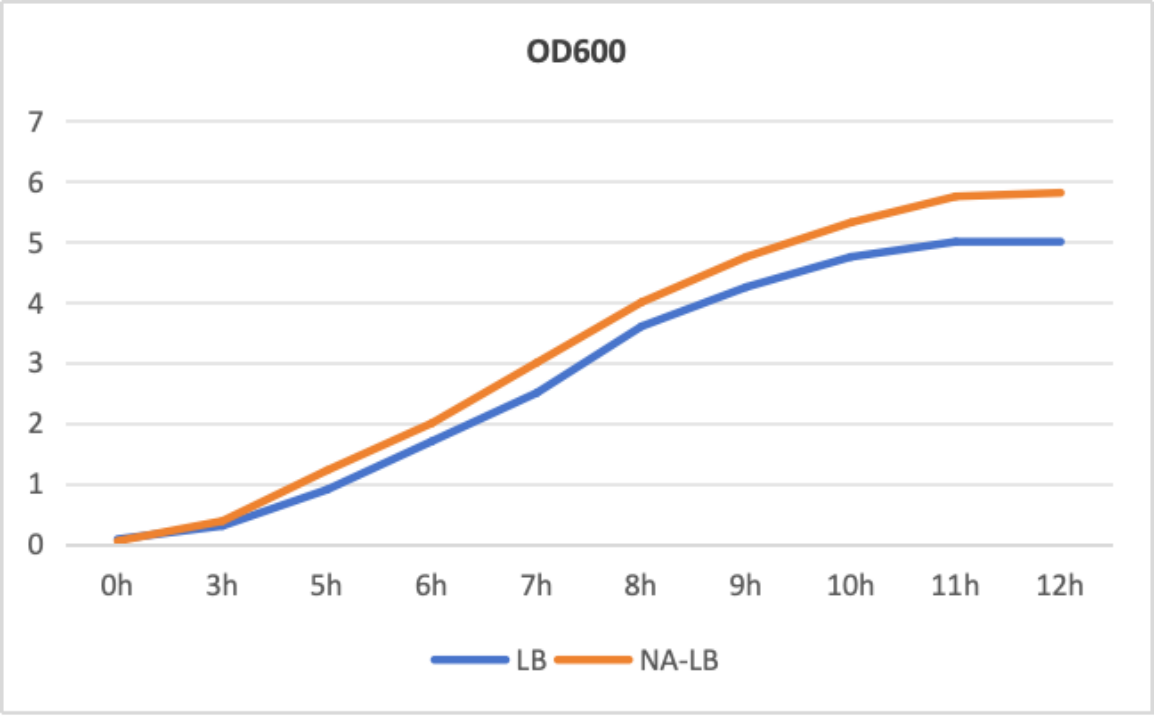
· Conventional LB: animal-derived tryptone + yeast extract powder
· Animal-free LB: yeast extract powder + yeast peptone
Performance: Cell density reaches 95%–110% of conventional LB; endotoxin level reduced by 60%; downstream purification costs significantly reduced.
3.3 Animal Vaccine Production (Angel Animal-Free Streptococcus Medium)
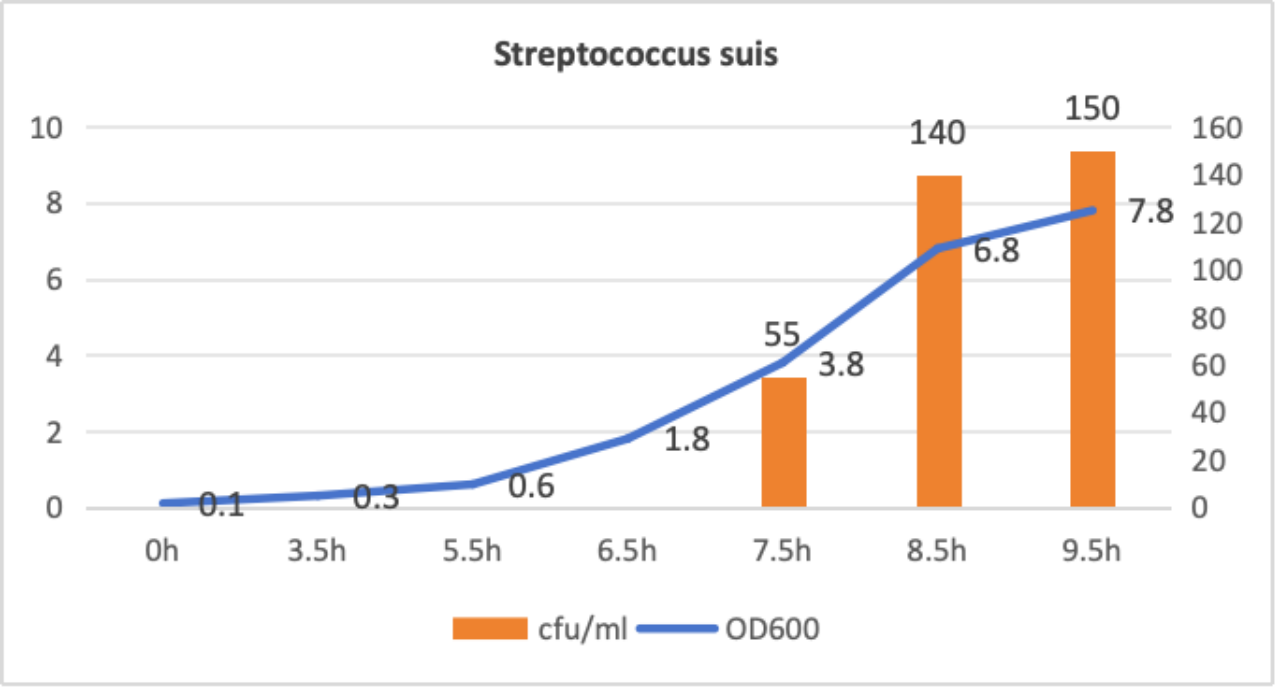
· Conventional Streptococcus vaccine medium: beef infusion powder + bovine bone peptone + porcine pepsin digest
· Animal-free Streptococcus medium: soy peptone + wheat peptone + yeast extract powder + yeast peptone
Performance: Viable Streptococcus count increased by 50%–70% compared with conventional animal-derived medium; endotoxin level reduced by 60%; adverse reactions in vaccinated animals reduced by 80%.
4. Conclusion
Replacing animal-derived peptones and meat infusions with yeast extract, plant peptone, and yeast peptone to manufacture animal-free microbial culture media represents an inevitable trend in the biopharmaceutical industry, supported by its safety, compliance, stability, efficiency, and green sustainability.
About Angel Fermentation Nutrients:
Angel Fermentation Nutrients, rich in protein, amino acids, peptides, nucleotides, B vitamins, and trace elements. With the advantages of having no allergic source and being non-transgenic, high efficiency, and stable quality, Angel YE are widely applied in biological laboratories and industrial-scale fermentation, promoting product safety and technical progress in the global fermentation industry.
About Angel:
Angel Yeast Company is a high-tech listed company specializing in yeast and biotech. Product business covers Yeast and Baking, Yeast Extract-Savoury, Nutrition & Health and Biotechnology fields. It is one of the world's leading companies in the yeast industry. Angel has 12 holding subsidiaries and provides products and services for more than 160 countries and regions.
Press contact:
email: yef@angelyeast.com