-
Home > News & Events > News > Company
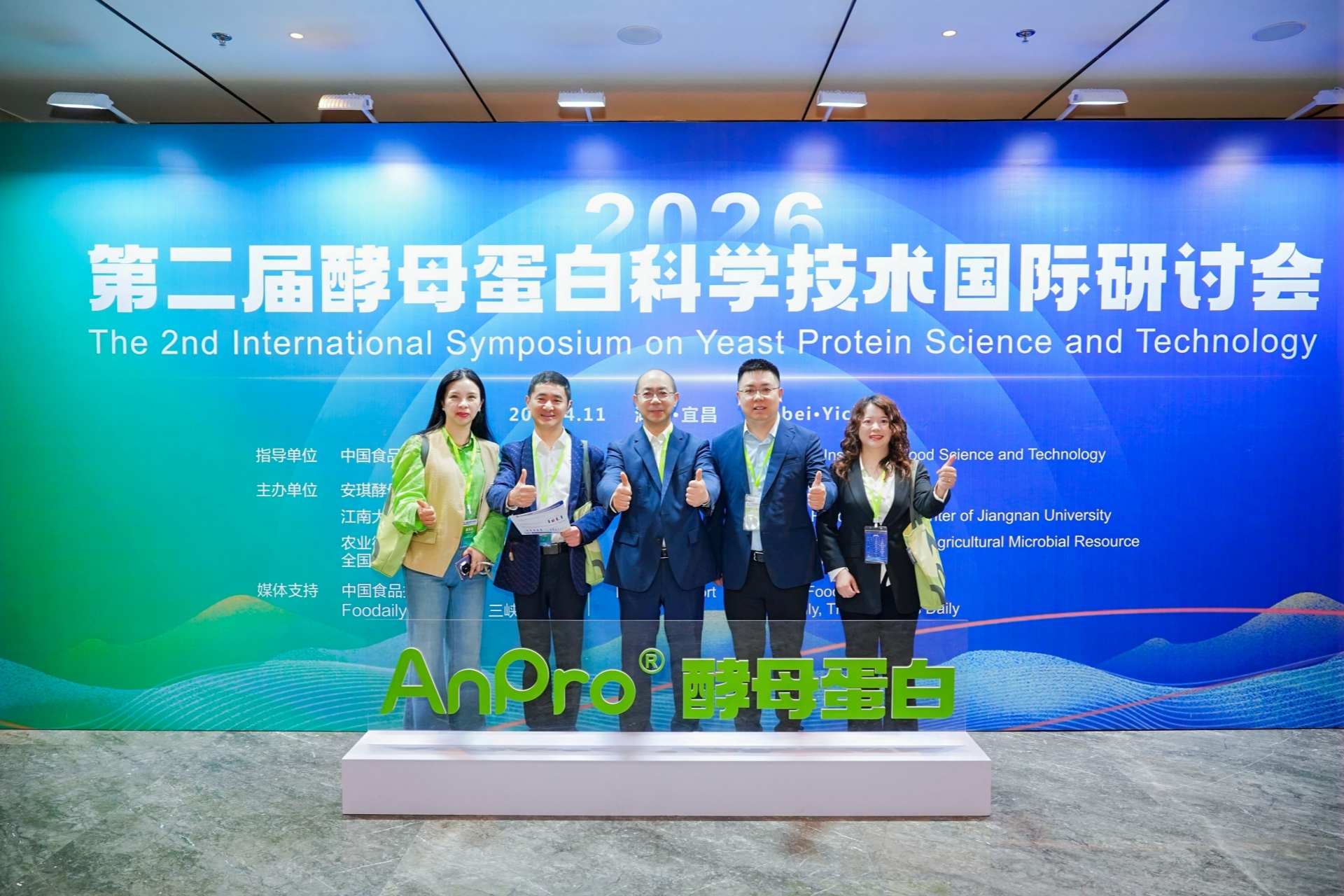
In recent years, yeast protein has grown in global popularity. As indicated by the 2nd International Symposium on Yeast Protein Science and Technology, nearly 100 downstream brands have promoted relevant applications and launched corresponding food products. Driven by healthy consumption trends and demands for precise nutrition, high-protein products have become prevalent, and novel protein has turned into an industry hotspot. On April 11, Angel Yeast, together with academic and industrial communities, unveiled the White Paper on Yeast Protein (Saccharomyces cerevisiae). It systematically interprets relevant technologies, applications and opportunities, and provides authoritative guidance for the development of the global industry.
The following is the abridged on-site expert interview (excerpts) from Foodaily:
Interviewees:
Zhang Yan, Chief Engineer of Angel Group;
Liu Yanfeng, Researcher, School of Bioengineering, Jiangnan University;
Dr. Panagiotis Voudouris & Dr. Bei Tian, Researchers at Wageningen University, the Netherlands;
Park Kyunik, Chairman of ICFOOD, South Korea.

I. New Changes in Global Protein Supply
Foodaily: From an industrial perspective, what new challenges and structural changes are emerging in the current protein raw material sector?
Zhang Yan: Global protein supply has entered a new period of structural shortage of high-quality protein. The traditional way of obtaining protein through animal husbandry is highly dependent on resources and the environment. Animal husbandry contributes about 15% of global carbon emissions, and carbon emissions reach 250 kilograms per kilogram of beef. Restricted by global constraints on arable land and water resources, it is difficult to meet the growing demand for protein in the future.
In the consumer segment, residents have a relatively low intake of high-quality protein in daily diets. With the improvement of health awareness, consumer demand for high-quality protein with easy digestibility, weight control, and blood sugar stabilization effects keeps rising. The traditional protein supply model can no longer adapt to market development, and it is urgent to explore new protein sources.
II. Core Advantages and Research Progress of Yeast Protein
Foodaily: What is yeast protein exactly?
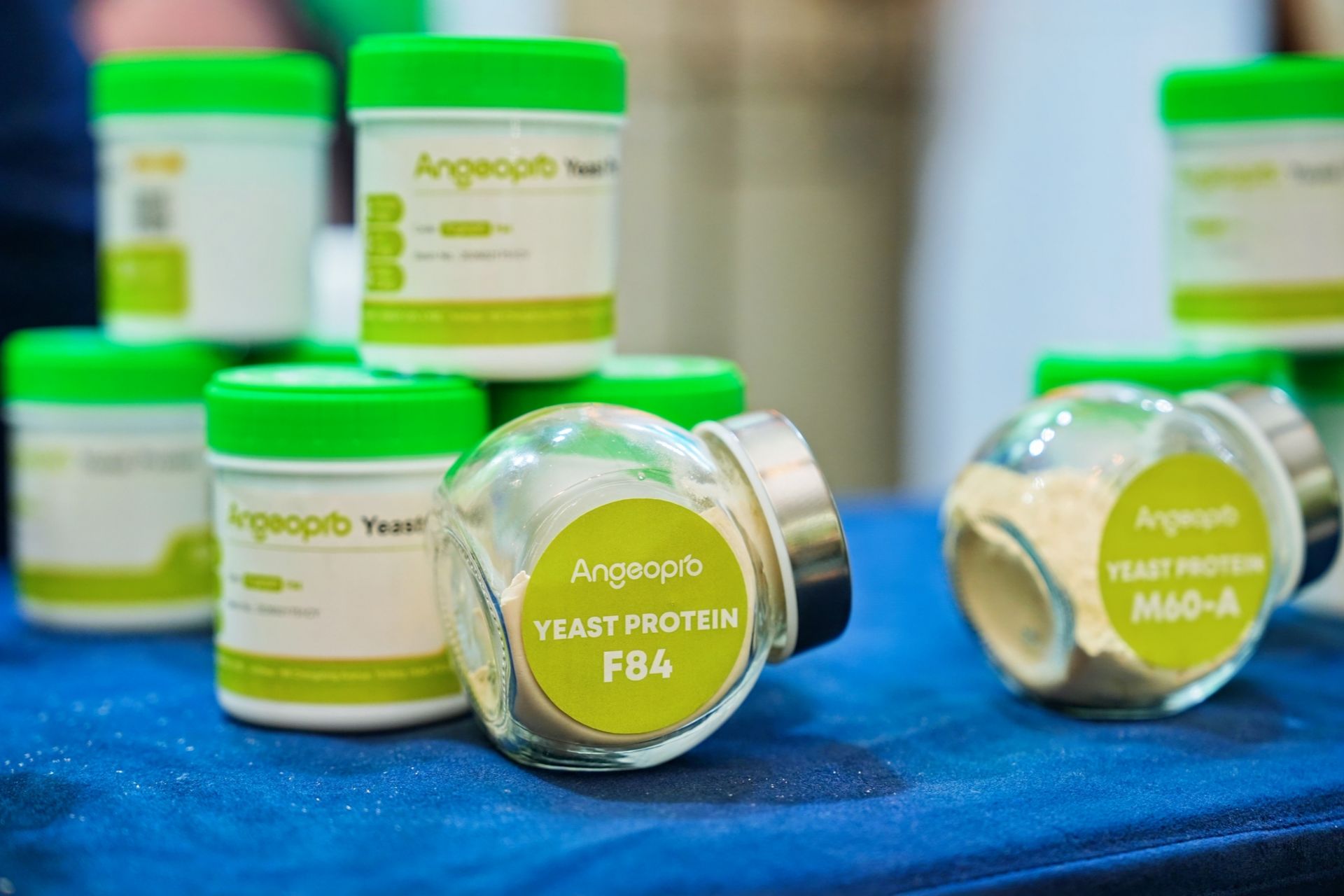
Zhang Yan: Yeast is a microorganism used by humans for thousands of years. Among these, Saccharomyces cerevisiae is the most widely applied strain, with a protein content of 40%-50%. Using Saccharomyces cerevisiae as raw material, yeast protein is a high-purity protein product (with a purity of over 70%) obtained by removing non-protein components via enzymatic hydrolysis, extraction, separation, drying and other processes.
Foodaily: What are the core advantages of yeast protein compared with traditional protein?
Liu Yanfeng: First, it has comprehensive nutrition, containing all essential amino acids with branched-chain amino acids exceeding 20%, which is superior to plant protein. Second, it has a sound industrial foundation, enabling stable quality, cost reduction and efficient mass production. Third, it features high application compatibility. As a food raw material, it enjoys high consumer acceptance and adapts to a wide range of food scenarios.
Zhang Yan: The protein content of yeast protein is no less than 70% on a dry weight basis, and over 80% for high-end products. It contains 9 essential amino acids required by the human body, with a digestibility and absorption rate of 96%. Its amino acid pattern meets international ideal standards, qualifying it as a high-quality complete protein. It boasts higher digestion and absorption efficiency than plant protein, on a par with animal protein. Meanwhile, it has good solubility, emulsifiability and a smooth texture, compatible with diverse food systems.
Park Kyunik: Yeast protein offers cost competitiveness, with its cost around 20% lower than that of traditional protein. In addition, its production emits far fewer carbon emissions and consumes far less water than animal protein, delivering remarkable environmental benefits.
Foodaily: What is the overall research progress in the novel protein sector at present? What breakthrough results have been achieved?
Zhang Yan: Global research on novel proteins has moved from laboratory verification to industrial application, with a focus on three key areas:
1. Strain development: Improve protein production efficiency through high-density fermentation and targeted enzymatic hydrolysis, and establish a full technical system covering strain selection, fermentation control, extraction and purification;
2. Process modification: Enhance functional properties such as protein solubility and emulsifiability, creating more possibilities for food processing applications;
3. Application expansion: Expand into high value-added fields including sports nutrition, conventional food, and food for special medical purposes.
In terms of breakthrough achievements, clinical and animal experiments have verified that yeast protein has significant effects on muscle, bone, gastrointestinal and metabolic health. Major progress has been made in high-purity extraction processes, supporting the stable supply of high-quality raw materials.
III. Expanding Application Scope with Nearly 100 Brands Rolling out Deployments
Foodaily: What are the mature application scenarios of yeast protein at present?
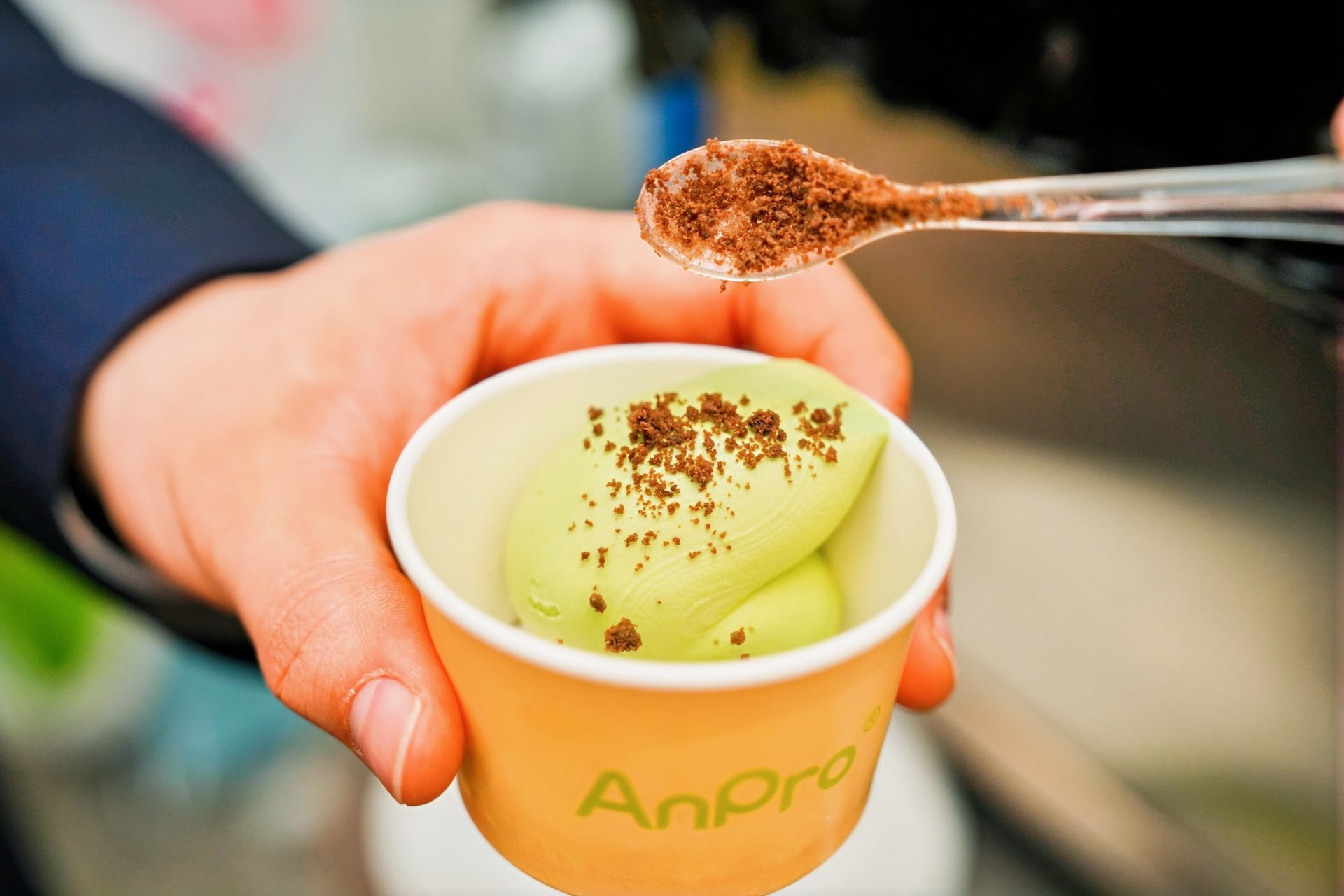
Zhang Yan: Yeast protein has been applied in more than ten food categories including bakery, meat products and soft drinks, covering three core application scenarios:
1. Nutritional and healthy food: It is suitable for sports nutrition and elderly nutrition. With no lactose burden, it supports diverse flavor development, facilitating athletic recovery as well as muscle and intestinal health for the elderly;
2. General food: It is applied in beverages, meat products, baked goods and snacks to boost protein content and optimize product flavor and texture;
3. Special medical diets: It helps improve gastrointestinal and muscle health among the elderly, promotes calcium absorption and prevents osteoporosis. As a lactose-free complete protein, it can replace whey protein to meet the nutritional needs of lactose-intolerant groups.
Foodaily: Which product categories will have strong growth potential for yeast protein in the future?
Zhang Yan: Sports nutrition remains the most mature high-potential track. In addition, daily beverages, children’s snacks, health management food and casual snacks all boast robust growth prospects.

IV. Sound Industrial Foundation and Industrial Chain Collaboration Drive Popularization
Foodaily: Does yeast protein have stable and large-scale supply capacity?
Zhang Yan: It is fully capable of stable and large-scale supply. Leveraging the globally mature yeast fermentation industry and comprehensive standard system, it can provide sufficient production capacity and compliance guarantees for large-scale commercialization.
Foodaily: What urgent problems remain to be solved for the large-scale application of yeast protein?
Zhang Yan: Regulatory authorities adopt a prudent attitude toward innovative raw materials, and the scope of its applicable groups need to be further expanded. Technically, continuous efforts are required to advance high-purity extraction and functional activity regulation. Unified industry standards and improved consumer awareness are also needed.
Dr. Panagiotis Voudouris & Dr. Bei Tian: Europe imposes strict regulations on novel food ingredients. Yeast protein needs to undergo thorough verification of safety and health benefits to meet regulatory requirements and gain consumer trust.
Foodaily: How should upstream and downstream players in the industrial chain collaborate to promote the popularization of yeast protein in the mass market?
Liu Yanfeng: The academic community should strengthen basic research on nutrition and functions, and collaborate with enterprises in application development. At present, many overseas research institutions are committed to microbial protein research. They are exploring new microbial resources and advocate the concept that microbial protein is an independent, high-quality protein source that does not need to imitate other types of protein. Future efforts should focus on optimizing its taste and application compatibility, developing tailored solutions for diversified products, and accelerating the market adoption of yeast protein.
Park Kyunik: With high-quality products as the foundation, carry out science communication with solid scientific data, and leverage the influence of public figures to effectively improve public acceptance.
About Angel
Angel Yeast Company is a high-tech listed company specializing in yeast and biotech. Product business covers Yeast and Baking, Yeast Extract-Savoury, Nutrition & Health and Biotechnology fields. It is one of the world's leading companies in the yeast industry. Angel has 12 holding subsidiaries and provides products and services for more than 170 countries and regions.
https://en.angelyeast.com/
Press contact
ANGEL YEAST CO., LTD
Address: 168 Chengdong Avenue, Yichang, Hubei 443003, P.R.China
Email: xuwla@angelyeast.com